






January 14, 2020

Biggest Trends That Will Help You Buy Premium Domain Names In 2025

written by

Joe Uddeme

Joe Uddeme

Biggest Trends That Will Help You Buy Premium Domain Names In 2025

Looking to buy domain names in 2025? Here’s Name Experts Director Joe Uddeme with a roundup of emerging trends and things to look for when adding a name or two to your portfolio.


Buying the right domain is crucial for a successful business, which is why our professional team at NameExperts.com makes sure to stay on top of emerging trends.

What was right for your business a decade ago – probably your brand name + .com – might still be relevant today, but there are newer alternatives and domain name combinations that consumers are comfortable with, too.

Purchasing premium domain names is a great idea for any emerging business that wants to scale their brand. Top companies around the world are teaming up with domain brokers to help them buy premium domain names at the best prices – and with their anonymity preserved if necessary, too. Save money, add credibility, and give your company equity value when you work with experts like us.

Key Takeaways

  • GDPR has changed the rulebook
  • There are now more TLDs (.com, .ai, .io, etc.) than ever – but not all are popular
  • Catchy ‘meaningless’ names can become very valuable


Trend #1: Easier Identity Protection

Have you heard of GDPR? When it comes to identity and privacy online, it can be very difficult to identify actual ownership of domains – which is why we recommend working with a top domain broker who has the skills to properly identify owners and help you navigate the domain world.

The General Data Protection Regulation, or GDPR, is a new and strict set of rules and regulations that mandate how businesses that gather customer data and also how they must protect that data. It also outlines severe penalties for companies that violate the GDPR.

This can make it that much more challenging to identify who owns what. No matter the size of your company, if you’re doing business in Europe, you should be thinking about how you’re protecting your employees’ and clients’ information online.

Padlock bathed in red light on a computer keyboard to denote data security


Trend #2: Reduction In GTLD Registrations

TLDs are the letters found at the end of an internet address, such as .com, .net or .org. Any TLD that isn’t representing a country or territory is known as a generic top-level domain.

The New gTLD Program was an initiative coordinated by the Internet Corporation for Assigned Names and Numbers (ICANN), which has increased the domain name system. With the introduction of new top-level domains, it was meant to enhance competition and consumer choice when it comes to domain names.

It also brought many new safeguards to help support a secure, stable and resilient internet.

Though there is a rise in new generic top-level domains or gTLD registrations, the trend is that many registrations are not being renewed – meaning there is limited value in this type of asset. There are so many different domain identifiers, like .law, .brand, .legal that it is easy to get carried away.

We believe these new registrations will continue to decline and buyers will focus much more on sensible and dependable options such as .com, .co, .net, and .org.

However, there are several newer options that can be worth investigating. These include .ai domain names and also .io, which are beloved of tech brands.


Trend #3: Interesting Combinations and Lateral Thinking

Verbs and action phrases at the start of a domain name are in vogue. Things like ‘get’ or ‘try’ – resulting in www.getselfhelp.co.uk, for example.

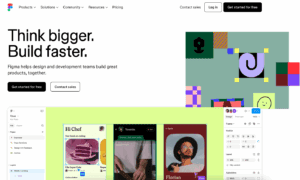
Thinking laterally also leads to the likes of Zyro and Figma, which have become highly-prized brands based around words that didn’t exist.

Screenshot of Figma homepage – a domain name that has become valuable

We regularly help clients to align themselves with strong and/or catchy names that appear to be unavailable. It’s one of the many reasons that people turn to a domain broker. As well as helping you to choose a strong brand name that has long-term value, we bring expert negotiation skills to the table. We also take care of every element of the transaction – from soup to nuts.

Our team offers a full-service domain name brokerage experience for each one of our clients. It’s our mission to protect our clients’ anonymity and deliver great results. From domain name acquisition to the divestment process, we have the knowledge you need to help you grow your business and protect your assets.


About the author

Joe Uddeme is Director and Principal of Name Experts, one of the world’s leading domain name brokerage services. He has overseen domain name sales and acquisitions totaling more than $150 million and is renowned worldwide as a go-to expert in buying and selling premium domains. Contact us at: [email protected]

Subscribe for More Domain Buying & Selling Advice

Related posts

Two busy female co-workers sat next to each other looking at a laptop
How to Buy a Domain Name – 10 Tips to Follow Before Buying

Picking a domain name for your brand should be given the respect it deserves. After all, says NameExperts.com Director Joe Uddeme, it could make or break your business.   Among the most crucial decisions in establishing an internet presence is picking a domain name to buy. Ignore the trends and fads of the day and pick a name that makes sense for your company or subject matter a decade from now. When you choose well, you can rest assured that you have a valuable piece of digital real estate that is woven into the overall success of your business. Here are 10 suggestions that will help you to make a fantastic domain name purchase.   1. Do your homework Just a small amount of research can go a long way when buying a domain name. Find similar websites and check out your competitors’ domains using a website like Compete.com. Use dnpric to determine when a domain name was last sold, for how much, and the web hosting agent. You can search by keyword, which will help provide the popularity of particular words in a domain name. While any research is better than none, plan to put aside days or even weeks to properly research the right name for your brand – something that will help it to grow. If you need some guidance and an insider’s eye, an experienced domain broker can help you come up with – and secure – the perfect name for you. 2. Buy a domain name people can remember Even if you’re planning on optimizing the website for search engines so that it can be found when people search for “used boats in Dallas” or “hair styling near me”, you still need a domain name that individuals can remember and type. Anyone hearing your name needs to know how to get right to your business without you having to say things like “the number 4,” and “dash-dash.” It’s also wise to avoid words that have more than one spelling if your customers are likely to be confused and type in the wrong name. Alternately, you can purchase both versions of the name and guide visitors to the one you prefer – safe in the knowledge that your backup site will scoop them up if they make a mistake. Avoid anything mysterious like “voodrifunk” or “flambinastic” that might sound fun but is so out there that people will have difficulty remembering it. 3. Avoid slang terms Stay away from slang terms and instead select a name that will continue to be meaningful in ten years. This may also help your title be known and remembered by non-native speakers. Even if you don’t intend to conduct business globally, this strategy can help your neighborhood audience also. 4. Purchase a domain that is shorter rather than longer The longer your domain name is, the harder it is for people to remember. And the greater chance you have of someone misspelling some of the words. Most good single word domains are long gone (read “what do to if the domain name you want is taken“), but it’s still possible to avoid super-long alternatives by getting a little creative. For those who have one word in mind that’s not available, consider adding an adjective or verb in front of it and seeing if those variations are available. Perhaps not “GetAppple”, as that would likely lead to a world of trademark issues and other legalities, but you get the idea. Think of your domain name as part of your brand, and be sure it matches how you want visitors to consider you. 5. Stick with .com if you’re able to Most individuals assume that a domain name ends in .com – it’s just become the default for most of us. If you purchase a domain name with a different extension or “TLD” as they are known (.net, .info, .org, etc.), you will have some additional work to do if you want to get people to keep you in mind. However, do not automatically assume you should only ever buy .com domains. Many websites have done very well with different extensions – such as last.fm 6. Do not buy trademarked domains Even if you’re not intentionally trying to create confusion, you are most likely to face some legal challenges by purchasing trademarked terms in your domain name. To be safe, look for U.S. trademarks at www.uspto.gov and be sure no one owns a trademark on the name you’re contemplating. 7. Do not buy a domain name that is too similar to an existing website Even if the wording, name or expression in the domain name that has caught your eye is not trademarked, do not buy it if is is merely a variation of some other domain name. This applies to plurals if the singular is taken (mediatemple.net vs. mediatemples.net) and hyphenating a term (media-temple.net). 8. Avoid buying hyphen domain names If you have to go with hyphens, do not buy a domain with more than three of them. It is just too messy. 9. Avoid numbers People may get confused about whether the amount is a digit (3) or a word (three). If you would like a number on your domain name because there’s a number in your organization’s name, purchase both versions (word and digit ) and redirect one to the other. 10. Check availability on social networking sites When you’ve got a name picked out, see if this word or phrase can be found on social networking sites like YouTube, Twitter, Facebook, Instagram, Pinterest, Google+, and Tumblr. Even if you don’t intend on using social media straight away, you will want the option when you are ready, and it is easiest if you can use the identical phrase on each website.   About the author Joe Uddeme is Director and Principal of Name Experts, one of the world’s leading domain name brokerage services. He has overseen domain name sales and acquisitions totaling more than $150 million and is renowned worldwide as a go-to expert in buying and selling premium domains. Contact us at: [email protected]

Default alt text
How to Choose a Domain Name

Open the dictionary and pick a word – the .com of that word will almost certainly be gone. So, where do you begin when choosing a domain name that will help your business grow? NameExperts.com Director Joe Uddeme walks you through the whole process.   One of the most important decisions you’ll make about your business is the domain name you choose to acquire. The domain name you give your business is crucial because it becomes your identity on the web. You want it to reflect your brand and fit your business, but you also need it to be easy to find and promote. Acquiring a premium domain name is definitely the way to go, but choosing one can be difficult. What criteria should you be following to make sure you end up with the very best when you buy a domain name? This post is a little different to the others on the NameExperts blog – it’s a list of six key pointers to consider when choosing a domain name.   1. Pick a Short Name When You Choose a Domain What You Want to Avoid: When you’re just starting out playing with domain names to choose it can be tempting to combine all your ideas into one long domain name – like UsedCadillacsInTexas.com. However, while that may make it unique and descriptive, it may hurt your branding. What to Do Instead: A short name is easy to remember, easier to spell, and thus, has a better chance of becoming a household name. It also makes it easier when you want to branch out into branded items, or you want to create a logo, etc. Unfortunately, all the very easy 3-letter names were all taken as early as 1997, but there are plenty of others available that are appropriate. The shorter your domain name is, the easier it is to share through word of mouth. It’s also easier to type into your search bar, especially if you’re using a phone.   2. Pick Something Easy to Spell, Pronounce, and Remember What You Want to Avoid: A name that is difficult to spell can negatively impact your traffic because it can mean that users don’t land on your page. They might even end up with a competitor instead. You’ll also want to avoid using multiple spellings and the use of hyphens, numbers, or special characters. Your customers will often misunderstand numbers or misplace hyphens. People who hear your web address might not know whether you’re using a numeral or if it’s spelled out. What to Do Instead: This name needs to be easy to remember. Your customers need to be able to spell it correctly and pronounce it easily, so that they can easily share it with others (check out our guide to choosing a strong brand name for your business). Imagine you’re naming a child – you want something unique for your site, but you also don’t want a name that will create difficulties because of spelling or pronunciation. Every ‘Steve’ whose parents opted for ‘Steeyve’ or ‘Stëeve’ will tell you that being ‘clever’ with a name rarely works. If you absolutely need to include special characters or terms that are more difficult to spell in your domain name, make sure you register different variations of it to be safe. Some of the most famous and brandable names out there are extremely simple: Google. Facebook. Amazon. Apple. These are giants who created an excellent product or service, but who also knew how to brand themselves by acquiring premium domain names.   3. Use Relevant Keywords What You Want to Avoid: A word of caution here – if your domain is entirely made up of keywords, you run the risk of creating a brand that sounds too generic or unrecognizable. Especially if you’re starting a blog or a personal page, you need something with a bit of personality. What to Do Instead: You’ll notice that a lot of the heavy players have names that are composed of two words, and one of them is usually a keyword. That is a very clever choice, because a) it’s descriptive of your business, b) it majorly contributes to SEO, and c) it makes your name easy to remember. So, if you’ve got an interior design business, for example, you’ll want a premium domain that ideally includes a relevant keyword, like “design”, “interior”, “decorator”, “home”, “style”, etc. That will tell your potential customers all they need to know about your business. Your name is also likely to pop up in whatever Google search they try for “interior design” or similar keywords. If your business is local, you might consider including your city or state in your domain. That way, customers in your area can find your name and remember it easier. Often, when doing keyword research for your business, you’ll find that city and state will most likely be included.   4. Avoid Anything Confusing or Inappropriate What You Want to Avoid: You want to pay attention to not pick a name that is confusing (either because of spelling or sheer peculiarity), awkward, or inappropriate. If the initials of your business make up an inappropriate word, scrap the name immediately. What to Do Instead: Pay attention to what a domain looks like when you spell it out, if it’s made of multiple words. You’ll be surprised at how many other words you may inadvertently spell. Example: your name is Marc and you’re a rapper. www.marcraps.com isn’t great, is it? The other thing to look out for is picking a name that has no relation to your line of business. That can be very confusing.   5. Avoid Names that Already Exist or Are Trademarked What You Want to Avoid: Don’t go ahead with a name that is extremely similar to an existing one or that is trademarked, because a) that is confusing for your customers and you risk losing traffic, and b) you may, someday, be served with a legal notice that may create problems. What to Do Instead: However, there is a caveat here. If the name is already trademark-protected, that’s a bit of a dead-end. There can’t be another Burger King, for example. If, however, the domain name you want is just taken by someone else, there are ways around that, and you are still able to buy a domain name that is already owned.   6. Choose a .com TLD, but Purchase All Available Extensions What You Want to Avoid: If you only acquire the domain name you want and no other similar ones, you run the risk of having someone else purchase other variations of your domain. They will get the traffic that should have been directed towards your page. What to Do Instead: The most popular domains are .com ones and they are the most widely used, so it’s the ideal premium domain to acquire. But your work doesn’t stop here. Once you’ve bought that, you also want to purchase every other available variation of your domain name. For example, let’s say your domain name is www.carsforsale.com. You should try to buy www.carsforsale.net, www.carsforsale.org, www.carsforsale.biz, etc. That way, no one else can take these domains and possibly steal traffic that was meant to go your way. Once you have these domains, you can make sure the traffic redirects to your main .com domain. Check out our guide to TLDs (top level domains). The Bottom Line When Deciding How to Choose a Domain Name Choosing a domain name can be a delicate process. Pick the wrong one, and your business may suffer. Pick the right one, and it can catapult you into quick notoriety, or at least it can help make branding easier. The most important things to remember when choosing what domain to acquire is that it should be something easy to spell and remember, it should be non-trademarked, and it should ideally include a keyword. If you manage to find the perfect one, purchase every variation to make sure that you can take advantage of 100% of the traffic going to these domains. Buying premium domain names for a business can be pretty complex, which is why many people turn to an expert domain broker for help. Brokers know all the ins and outs of securing a great name and are adept at negotiating the best price for the buyer. Check out our guide to the best domain brokers of 2025 for more details.   About the author Joe Uddeme is Director and Principal of Name Experts, one of the world’s leading domain name brokerage services. He has overseen domain name sales and acquisitions totaling more than $150 million and is renowned worldwide as a go-to expert in buying and selling premium domains. Contact us at: [email protected]

A man's shadow to indicate anonymity when trading domain names.
How to Buy a Domain Anonymously

Last updated: 15 October, 2025. Want to buy a domain name anonymously? You’re not alone – when the stakes are high, business buyers often want to stay out of the limelight. NameExperts.com Director Joe Uddeme explains how it’s done. What is Anonymous Domain Registration? Anonymous domain registration is a service that allows individuals and businesses to register a domain name without revealing their personal details in the public WHOIS database. Instead of displaying the domain owner’s personal information, such as name, address, and contact details, the registration uses generic proxy details. This approach provides an additional layer of domain buying privacy and security, ensuring that your personal information remains confidential. Understandably, it can be a very attractive option when trying to buy a premium domain name. Adding domain privacy can anonymize ownership details in the WHOIS database – which helps keep your name out of the picture. Anonymous domain registration is particularly valuable for protecting personal information, preventing unwanted solicitations, and maintaining confidentiality in sensitive situations. Key takeaways: Anonymous registration comes with many benefits Understand the role of WHOIS and regulatory issues Get top tips to boost security and domain name anonymity Work with an experienced domain broker to simplify the process and ensure you stay anonymous   Benefits of Private Domain Registration Registering a domain name anonymously offers numerous benefits, including: Protection of personal Information: Anonymous domain registration keeps your personal details, such as name, address, phone number, and email ID, private. This prevents your information from being publicly accessible in the WHOIS database. Domain privacy protection services can further obscure your personal information during registration. Prevention of spam and unwanted solicitations: By withholding ownership information, anonymous domain purchase helps you avoid unsolicited communication and spam. In business, information can be leveraged in numerous ways. Owning a domain name anonymously can be hugely advantageous. Enhanced security: Registering a domain anonymously adds an extra layer of security against cyber crimes like ransomware attacks and domain hijacking. You’ll boost both security and privacy by ensuring your contact information is protected. Confidentiality: Securing a domain name anonymously allows you to maintain secrecy in sensitive situations, such as buying premium domains – or selling them – and means you don’t have to reveal your identity. Emotional pricing elimination: Anonymous transactions eliminate emotional pricing by the seller based on the buyer’s identity and intention. If they know who you are, they may hike up the price, obscuring the true valuation. Discreet domain procurement: Companies can discreetly procure domains for internal products, brand expansions, or mergers without tipping off competitors. Understanding the WHOIS Database What is the WHOIS Database? The WHOIS database is a publicly accessible repository that stores information about registered domain names. Managed by the Internet Corporation for Assigned Names and Numbers (ICANN), this database contains essential details about domain owners, including their name, address, phone number, and email address. The primary purpose of the WHOIS database is to provide transparency and accountability in the domain name registration process. It allows users to look up information about a domain name and its owner, ensuring that the domain registration landscape remains open and trustworthy. Risks of Public WHOIS Data While the WHOIS database serves an important role, having personal details publicly available can pose several risks for domain owners: Spam and unsolicited contacts: With personal information readily accessible, domain owners may find themselves inundated with unwanted emails, phone calls, or physical mail from marketers and spammers. Identity theft: Cybercriminals can exploit the information in the public database to steal or hijack a domain, leading to potential financial and reputational damage. Privacy breaches: Publicly available personal information can be used to compromise a domain owner’s privacy and security, making them vulnerable to various forms of cyber threats. Once you realize the risks associated with publicly listing any domain names you acquire, you’ll likely want to protect your personal details through anonymous domain registration and other privacy measures. A skilled domain broker can help with all this. They will work on your behalf and protect you from risk. Check out our guide to domain name negotiations to find out how else domain brokers can help. Why Choose Anonymous Domain Registration? By choosing anonymous domain registration, you ensure your personal information is not publicly accessible in the WHOIS database. It’s basically like putting up a wall around your ownership that no one can peek over. It’s not difficult to register anonymously (your domain name broker can take care of this as part of their service), and by keeping your personal information private, you can sleep soundly at night. How to Register a Domain Anonymously There are several ways to ensure anonymous domain purchase, including: Using a domain registrar that offers anonymous registration: Services like Namecheap or Google Domains provide options that help conceal buyer identity when registering a domain name. Utilizing a proxy service: Services like Domains by Proxy or Uniregistry enable you to mask registration information, ensuring it remains private. Registering through a third-party service: Using a VPN or a domain anonymization service can help you register a domain without revealing your identity. Using a domain broker or marketplace: Engaging a domain broker or using a domain name marketplace can help conceal your identity. Using a domain privacy service: A domain privacy service can protect your personal information by replacing it with the service’s contact details. Talk to your broker about this. Some registrars offer free domain with hosting packages, which can lower overall costs and enhance the appeal of their services. Verifying Domain Privacy Protection You can easily explore the WHOIS database by entering your domain name in the search bar. This lets you see whether a website you own currently has domain privacy protection or not. What you want to find is a generic name, contact address, or email address that forwards messages to you. If you see any of your details in the Domain Information panel, consider enabling WHOIS privacy. You can also check with your domain registrar to see if they offer domain privacy protection services. Why Choose Anonymous Domain Name Registration? As mentioned, it adds a layer of security and protection for domain owners. By keeping personal information private, individuals and businesses can: Protect against cyber threats and unwanted exposure Prevent domain hijacking and fraud Maintain confidentiality in sensitive situations Enhance security against ransomware attacks and other cyber crimes Ensure personal information remains hidden from public view on WHOIS Pro tip: while anonymous domain registration has many benefits, always choose a reputable domain registrar that provides reliable privacy protection services. Additionally, be aware of the potential limitations and considerations when registering a domain name anonymously, such as specific restrictions or policies against this for certain domain extensions (TLDs). Simple Steps for Maintaining Domain Name Anonymity You don’t need to be a tech wizard to keep your name out of the picture. Here are five things to try: Use a VPN to mask your IP address and location. Use a secure email service that offers end-to-end encryption. Be cautious when sharing personal information online. Use a domain broker or a domain name marketplace to purchase a domain name anonymously (brokers such as NameExperts.com can help you make an anonymous offer to a domain owner, too). Consider using a proxy service to mask your personal information. If using escrow services to pay (recommended), make sure your broker knows how to handle this in a manner that keeps your identity secret from the seller. By following these tips, you can ensure that your personal details remain confidential and your online presence is secure. If you need help, your broker can streamline the process. Regulatory Considerations Compliance with ICANN Regulations ICANN regulations mandate that domain registrars collect and store accurate contact information for domain owners. This requirement ensures that the domain registration process remains transparent and accountable. However, ICANN also recognizes the need for privacy and allows for anonymous domain registration through the use of proxy services or private domain registration. To comply with ICANN regulations, domain registrars must: Collect and store accurate contact information: Registrars are required to gather and maintain up-to-date contact details for all domain owners. Provide options for anonymous domain registration: Registrars should offer services such as proxy registration or private domain registration to help domain owners protect their personal information. Educate domain owners on risks: It is crucial for registrars to inform domain owners about the potential risks associated with public WHOIS data and the benefits of opting for anonymous registration. Offer tools and services for privacy protection: Registrars should provide tools and services that enable domain owners to safeguard their personal information and maintain privacy. By adhering to these guidelines, domain registrars can ensure compliance with ICANN regulations while offering robust privacy protection options for domain owners. This balance between transparency and privacy helps maintain trust and security in the domain registration ecosystem. General Data Protection Regulation (GDPR) Implications General Data Protection Regulation (GDPR) has significant implications for domain registration and WHOIS data. Under GDPR, personal data cannot be shown without consent. This means that domain registrars must obtain explicit consent from domain owners before publishing their personal data in the WHOIS database. If you’re a domain owner, you can request that your personal information be removed from the WHOIS database by contacting your domain registrar. This regulation helps protect your personal information and ensures privacy. Limitations and Considerations when Seeking Domain Anonymity While anonymous domain registration offers many benefits, there are some limitations and considerations to keep in mind: Some domain extensions (TLDs), such as country-code top-level domains (ccTLDs), may have specific restrictions or policies regarding anonymous registration. Ensure that the domain registrar you choose has a reliable privacy protection service and a good reputation in the industry. Some domain registrars may require identification verification, but not all do. Domain privacy protection services may not be available for all domain registrars, so it’s essential to check with your registrar before purchasing a domain name. While private domain acquisition is possible in many cases, exceptions exist. An experienced domain broker can walk you through all available options.   About the author Joe Uddeme is Director and Principal of Name Experts, one of the world’s leading domain name brokerage services. He has overseen domain name sales and acquisitions totaling more than $150 million and is renowned worldwide as a go-to expert in buying and selling premium domains – and keeping clients’ names confidential whenever privacy is required. Contact us at: [email protected]

Why Work with Name Experts

Name Experts offers personalized domain brokerage services, assisting clients in buying or selling premium domain names with expert appraisal, negotiation, and complete transaction management while ensuring confidentiality.

Some of our most
successful stealth acquisition and sales

Aid.com

Fit.com

Mine.com

GLD.com

Jeff.com

Fora.com

Nori.com

Secure.com

Guitar.com

F*ck.com

Radian.com

MetaData.com

Prize.com

Link.com

Loop.com

Programs.com

Claim.com

Quince.com

Hook.com

QXO.com

NQ.com

Rest.com

Humani.com

Max.com

Need help buying or selling premium domains?