

Creating a strong brand name is one of the most consequential decisions a business will make — and it is inseparable from choosing the right domain. This guide walks through the core strategies for building a name that sticks: simplicity and memorability, alignment with brand values, audience-first thinking, and practical tools like name generators. We cover how iconic brands like Nike, Google, and Apple arrived at their names and why a matching domain name for a business is non-negotiable in today’s digital-first landscape. Whether you are launching a startup, rebranding an established company, or exploring domain name ideas for business, this article provides actionable steps from ideation through trademark protection and long-term brand building.
From Amazon to Coca-Cola, strong brand names have helped propel businesses to stratospheric heights for centuries. Here’s how to find one that will take yours to the next level and ensure you have a domain name that supports it.
Great brand names are something of a ‘chicken and egg’ proposition. Did Amazon become the brand it is because it had a great name? Or was it always destined to be a great brand because of Jeff Bezos’ ambitions – and the name could almost have been anything?
For the past couple decades my career has seen me immersed in brand names almost 24/7. I know that certain names generate an instant buzz, while others are more of a slow-burner.
I’ve seen some that bombed, and I’ve also seen the emergence of brand names that don’t mean anything – such as Etsy and Spotify – but which went on to encapsulate global brands.
Like it or not, your business name is king.
In today’s competitive marketplace, a strong brand name is more than just a label; it’s a powerful tool that can shape perceptions and influence buying decisions.
Whether you’re a startup, an established company, or an entrepreneur looking to make a mark, the name you choose can make all the difference.
In this post, we’ll explore why a great brand name is crucial – and look at ways to create a strong brand name for your business.
Key takeaways
- Great names are usually highly memorable.
- Try and match your name to your business values and mission.
- Think about the future – does the best name for today also work for tomorrow?
- Never choose a brand name if you can’t secure a domain name that supports it.
Understanding the Power of a Brand Name
A brand name is often the first impression customers have of your business. It’s the first thing they see, hear, and remember.
A well-chosen name can convey your brand’s values, differentiate you from competitors, and foster trust with your audience.
Some good examples of strong brand names include Starbucks, Ferrari, McDonald’s, Google – which has become a verb in its own right – and Nike.

The Role of a Brand Name in Business Identity
Your brand name is a key component of your business identity. It encapsulates what your business stands for and can influence how people perceive your products or services.
That doesn’t always mean that it hints at what your business does – in fact, the opposite is usually true. If you’d never heard of Porsche or TikTok, you’d probably never guess what they were.
A strong name can create a memorable image in potential customers’ minds once they know what you do – and that makes it easier for them to recognize and recall your brand.
A brand name can also become a symbol of the quality and reliability your company promises. This symbolic representation can play a crucial role in consumer loyalty and retention.
In effect, the brand name is a foundational element that supports your overall marketing and branding strategy, anchoring your brand’s story and reputation.
Emotional Connection and Brand Loyalty
A great brand name can evoke emotions; it can connect with your audience on a deeper level. Customers who feel connected to a brand are more likely to become repeat buyers and advocates – and spread the word about your business.
Emotional branding goes beyond the rational aspects of a product and taps into the feelings and values of consumers, creating a profound bond that can significantly impact purchasing behavior.
Over time, this connection can transform customers into brand ambassadors who champion your brand to friends, family, and social networks. Look at Spotify – millions of people around the world love it, and count down the days until its end of year ‘what you’ve been listening to’ round-up.

Competitive Edge in the Market
To succeed in business, standing out is crucial. A unique and strong brand name can give you a competitive edge by making it easier for customers to find and choose your business over others. Would Facebook have been as successful if it had been called BuddyNudger?
A good name can also help protect your brand from imitation and reduce the risk of being confused with competitors. By establishing a clear and distinct identity through your brand name, you effectively create a niche that makes it difficult for competitors to encroach upon.
How to Create a Strong Brand Name
Creating a strong brand name requires lots of thinking time and often a little creativity. Here are some strategies to consider:
1. Keep It Simple and Memorable
A simple and easy-to-remember name is more likely to stick in people’s minds. They’re a much safer bet than complex or lengthy names that are difficult to spell or pronounce. Aim for a name that is catchy and rolls off the tongue easily.
Simple brand names can lead to higher ‘recall’ rates – because straightforward names are easier for consumers to remember and recognize.
And don’t forget that a memorable name can become a vital part of your marketing strategy. It can really help with brand consistency, ensuring you become known for a specific thing.
By ensuring your brand name is memorable, you enhance its potential to resonate in conversations and the media – which leads to greater brand recognition and market penetration.
2. Reflect Your Brand’s Values and Mission
Your brand name should reflect what your business stands for – although you shouldn’t take this too literally, as Apple would likely attest (although Steve Jobs did apparently settle on the name as he thought it sounded fun, spirited and not intimidating).
So think about the values, mission, and unique selling points of your business, and, if possible, incorporate these elements into your name. This alignment will help reinforce your brand’s identity and message.
A name that encapsulates your core values can serve as a constant reminder to your team and customers of what your brand represents. In fact, a well-aligned brand name ensures that every touchpoint with your audience reinforces your brand’s promise and ethos, building a cohesive and compelling brand narrative. Some of the most expensive domain names ever sold are a testament to the power and value of a great name.
3. Consider Your Target Audience
When brainstorming names, consider your target audience and the kind of name that would appeal to them. Something that resonates with your audience can create a stronger connection and increase brand affinity.
Luxury brands tend to have luxurious-sounding names, but everyday brands often go for something less highbrow, such as Target or Costco. Costco, in fact, anchors its “bargain” proposition into its name.
Understanding your audience’s preferences, cultural nuances, and language can significantly impact the effectiveness of your brand name. By aligning your brand name with the interests and values of your audience, you create an inviting and relatable brand experience that can drive customer acquisition and retention.
4. Use a Name Generator for Inspiration
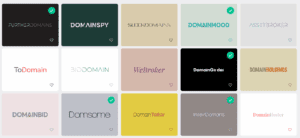
If you’re struggling to come up with ideas, a name generator such as namelix can be a valuable tool. These tools can provide inspiration and help you discover unique and creative names.
Leveraging technology for creative inspiration can streamline the naming process and introduce you to possibilities you hadn’t considered. We tested what namelix came up with for a domain name brokerage and received some strong options, including Namify, Brokeria, and Domainspy.
Don’t assume these are available for you to register, however. Namify is itself a well-known AI-powered name generator!
While not all suggestions may fit your brand, these tools can be a starting point that leads to the perfect name for your business.
The Impact of a Strong Brand Name on Marketing
As well as enhancing brand recognition and boosting brand positioning, a great name can help with SEO and online visibility.
Online visibility is key to business success today. A strong brand name can assist with your search engine optimization (SEO) goals by making it easier for customers to find you online.
Unique and descriptive names can help your business rank higher in search results and attract more organic traffic. By optimizing your brand name for search engines, you increase your chances of appearing in relevant search queries, driving traffic to your website and enhancing your online presence.
Better still, a distinctive brand name can reduce the risk of being overshadowed by similar-sounding competitors, ensuring your brand stands out.
Real-World Examples of Strong Brand Names
Nike
Nike’s name is derived from the Greek goddess of victory and reflects the brand’s mission to inspire athletes to achieve greatness. The name is short, catchy, and powerful – which makes it a first-rate fit for a global sports brand.
Google’s name is a play on the word “googol” – a nod to the vast amount of information the search engine provides. The unique name has become a household term, reinforcing the brand’s dominance in the tech industry.
Apple
Apple is a prime example of a strong brand name that is simple and memorable. It reflects the brand’s values of innovation and elegance.
The name is easy to remember and has become synonymous with cutting-edge technology and design. It evokes a sense of simplicity and sophistication and aligns perfectly with Apple’s product offerings and design philosophy.
3 Top Tips for Choosing the Right Brand Name
1. Test It with Your Audience
First, test it with your target audience to gauge their reactions and impressions. Conduct surveys or focus groups to gather feedback and ensure the name resonates with your audience – or discover that they don’t like it or don’t ‘get’ it.
When you validate your brand name with real consumers, you increase the chances of choosing something that will appeal to your target market.
2. Check for Trademarks and Domain Availability
You must ALWAYS ensure your chosen name isn’t already in use or trademarked by another business. Conduct a thorough search and, once satisfied, buy a domain name that matches your brand name. You’ll struggle to establish an online presence without this.
If you find a great name that hasn’t been trademarked but isn’t available as a .com domain name, consider an alternative such as .ai. Or reach out to a seasoned domain name broker such as NameExperts.com, who will have a strong chance of tracking down the domain name’s owner and securing it on your behalf.
This can be a daunting process to the uninitiated – and is why the handful of global specialists who focus on this alone are in high demand. They can save clients vast sums of money.
By securing the necessary trademarks and domains, you’re doing everything in your power to safeguard your brand’s identity and reputation – so you can grow your business with confidence. Check out our guide to top-level domains (TLDs) to learn more about .com, .org and other domain name suffixes.

3. Think Long-Term
Choose a name that can adapt to future changes. Avoid names that are too narrow or tied to specific products because they may limit your brand’s potential for expansion.
An adaptable brand name can accommodate new products, markets, and opportunities – setting you up for long-term success. It can help your business stay relevant and competitive over time.
A forward-thinking approach to naming can also unlock your inner creative, encouraging you and your team to explore new possibilities that will drive your brand forward.
Summing Up
A strong brand name is the cornerstone of a great business. It can shape perceptions, influence buying decisions, and really set you apart from competitors. By contrast, a poor one can help your business sink like a stone.
Whether you’re using a name generator for inspiration or crafting a name from scratch, remember to keep your business name simple and reflective of your brand’s values. If possible, make sure it aligns with your target audience and their preferences.
And remember, just because most common words have already been snapped up as domain names, it doesn’t mean they aren’t available. Just reach out to a domain name broker who can help you secure the URL you need.
And if the name you want just absolutely can’t be secured, think laterally. Known words are only your starting point – as Adidas, Kodak, Xerox, Asus, and Lululemon will attest!
FAQ About Brand Names
What’s the most valuable brand name of all time?
Take your pick – while Google, Apple and Amazon would probably never rebrand for any amount of money, you’d likely need a bag containing more than a trillion dollars to tempt them.
Can I use a made-up word for my brand?
100%! Look at Spotify or Kodak. They don’t mean anything – and yet they have become globally recognized and also synonymous with the services they offer.
How do I know if the brand name I want is legally protected?
Get a lawyer in. Seriously – if you’re about to launch your entire business on a brand name, it has to be legally watertight. The same is true of your domain name – make sure you use a domain name broker who can handle all legal elements of the transaction.
Can I use my own name as a brand?
Sure – with a couple of caveats. If it’s an unpleasant-sounding name, why would you choose it? And if it’s not, check someone else hasn’t already registered it. Odds-on, they have.
Should I consider international audiences?
Yes, especially if you have global ambitions. Take Pee Cola from Ghana. Pee means ‘great’ there, but something else in many other countries.
About the author
Joe Uddeme is Director and Principal of Name Experts, one of the world’s leading domain name brokerage services. He has overseen domain name sales and acquisitions totaling more than $150 million and is renowned worldwide as a go-to expert in buying and selling premium domains. Contact us at: [email protected]
Need Help Choosing and Securing the Perfect Brand Name?
Name Experts combines 16+ years of domain industry experience with brand strategy expertise. We help businesses find, evaluate, and acquire the premium domain names that define their brand. No upfront fees. Complete confidentiality.
Talk to a Naming Expert







Frequently Asked Questions
To choose a domain name for your business, start by identifying names that are short, memorable, and easy to spell. The domain should align with your brand identity and ideally include a relevant keyword or clearly communicate what your company does. Check availability on major registrars, and if the .com you want is taken, consider working with a domain broker rather than settling for an inferior alternative. A strong domain name for a business builds instant credibility and is far easier to market across all channels.
The best domain name ideas for a business fall into several categories: descriptive names that signal what you do (e.g., Booking.com), invented words that are short and brandable (e.g., Google from "googol"), real-word names with metaphorical power (e.g., Apple, Amazon), and compound names that combine two concepts (e.g., Facebook, YouTube). When generating domain name ideas for business, prioritize names under 10 characters, avoid hyphens and numbers, and ensure the .com extension is available or acquirable.
A domain name for a business is the web address customers use to find your company online -- it functions as your permanent digital identity. It matters because it directly affects brand recall, customer trust, search engine visibility, and marketing efficiency. Studies consistently show that consumers trust .com domains more than alternative extensions, and shorter, more intuitive domains generate higher click-through rates. Your domain name is often the first interaction a potential customer has with your brand.
Nike was named after the Greek goddess of victory, creating an aspirational association with winning and athletic achievement. Google derives from "googol" -- the number 1 followed by 100 zeros -- reflecting the founders' mission to organize an almost infinite amount of information. Apple was chosen by Steve Jobs to position the company as approachable and human in an industry dominated by cold, technical branding. Each name succeeds because it is simple, distinctive, and carries meaningful connotations beyond the literal product.
Name generators like Namelix can be a useful starting point for brainstorming, especially when you feel stuck. They produce large volumes of options based on keywords and style preferences, which can spark ideas you might not have considered. However, name generators should not be your final decision-maker. Many generated names lack depth, may have trademark conflicts, or lead to unavailable domains. Use them as a creative tool, then apply professional judgment -- testing with your audience and verifying domain availability before committing.
Trademark protection prevents other businesses from using a confusingly similar name in your industry, safeguarding the brand equity you build over time. Without a trademark, competitors could legally adopt a similar name and dilute your market presence. Before finalizing any brand name, conduct a thorough trademark search through the USPTO or equivalent databases, secure the trademark registration, and ensure the matching domain name is available. Skipping this step has cost companies millions in legal disputes and forced rebrands.